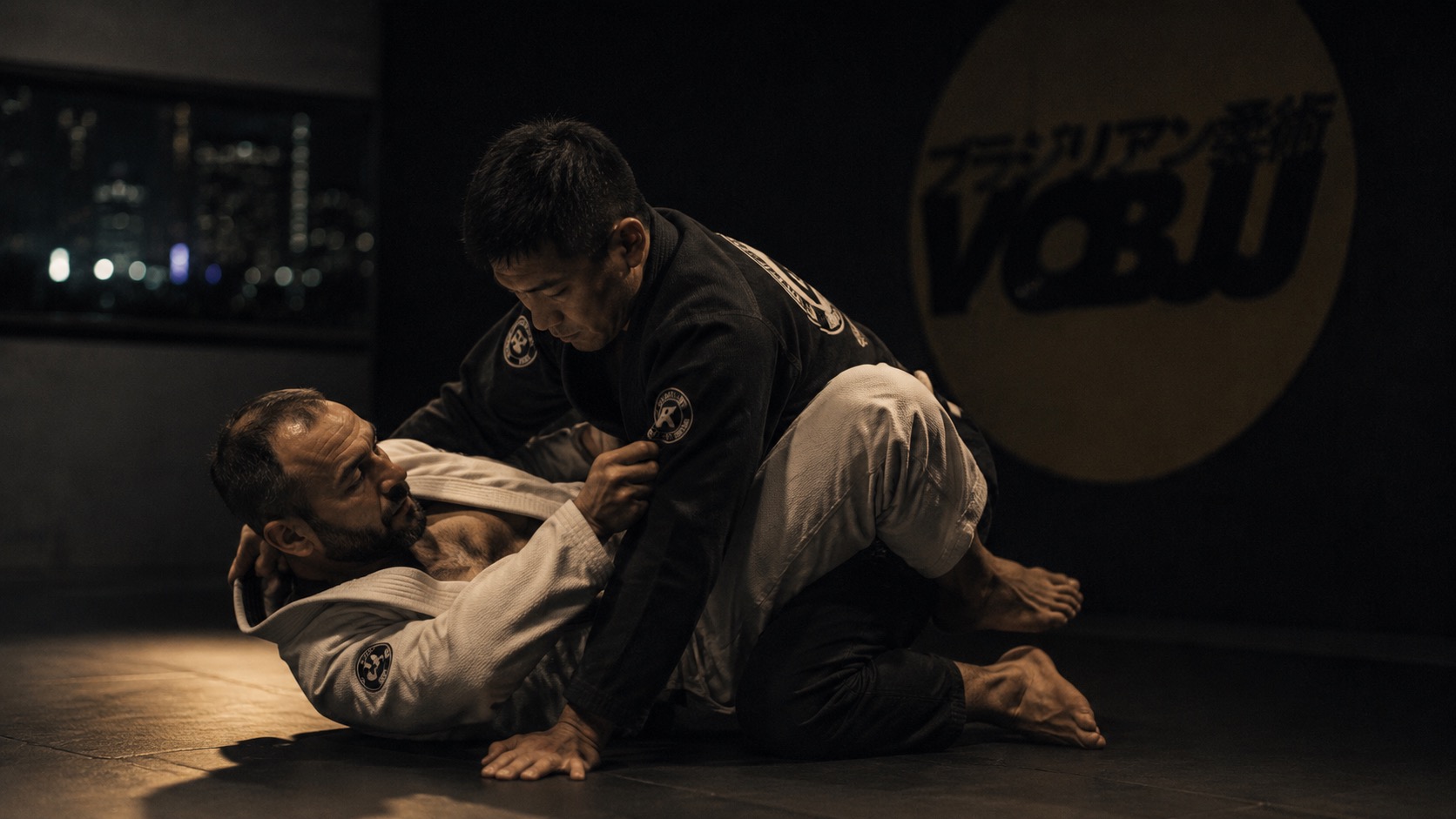
I've been watching BJJ grow in this city since before there was much of a scene to watch. When I started BJJ training in 2002, the rooms were small, the community was smaller, and most people hadn't heard of the sport. That's changed significantly. What I want to do here is describe what the landscape actually looks like now — not the marketing version, but what you'd notice if you walked into a few different gyms in KL today and paid attention.
This matters because if you're considering starting, the picture in your head is probably shaped by what you've seen online. And what's online doesn't always match what's on the mat in Malaysia in 2026.
Who's actually in the rooms
The most significant shift I've seen over the last several years isn't the number of gyms — it's who's walking through the door. KL's BJJ rooms are increasingly populated by people in their late thirties, forties, and fifties. Professionals. People with demanding jobs, families, mortgages. People who have tried running, HyRox, Pilates, yoga, and found something missing in each of them.
This demographic didn't exist here at scale ten years ago. It does now. And the fact that it exists changes what a good training room needs to look like. A room calibrated for 22-year-old competitors will not serve a 46-year-old director well, no matter how good the instruction is. That's not a criticism of those rooms — it's just a fact about who they're designed for.
The other thing worth noting: the women training BJJ in KL are no longer an anomaly. In several gyms, they're a significant portion of the class. That's a real change from even five years ago.
What's driving the growth
People will tell you it's the UFC effect, or Joe Rogan, or some podcast. I'm not sure any of those are the real answer. What I observe is something quieter: people are looking for a room where what they do outside doesn't determine how they're treated inside. A room where a senior manager and a junior clerk are equals the moment the round starts, because the mat doesn't know their titles.
That's a specific need. And it's one that BJJ — when the room is structured correctly — addresses more directly than almost anything else available in a city like KL.
What the rooms look like in practice
KL has a genuine range now. There are competition-oriented gyms producing regional and international competitors — serious operations with serious athletes. There are larger commercial gyms where BJJ is one of many programmes, running multiple classes a day with rotating instructors. There are smaller specialist academies, some coach-led, some affiliate-heavy. And there are rooms that sit somewhere outside easy categorisation — built around a specific instructor's approach rather than a franchise or a competition pathway.
The differences between these rooms matter more than most people realise when they're first looking. Class size alone changes the experience substantially. A class of twenty with one instructor is a different environment from a class of eight where the coach knows everyone by name and can adjust the session in real time.
None of this is to say one model is universally better. But they're not interchangeable, and choosing a gym based on location or price without understanding the model is how people end up in rooms that aren't right for them.
What's stayed the same
Despite everything that's changed, a few things haven't. BJJ is still one of the most technically demanding things you can learn as an adult. The learning curve is real. The first few months are genuinely humbling, regardless of your fitness level or your background in other sports. That hasn't changed and isn't likely to.
What has changed is that there are now rooms in KL specifically built for people who want to navigate that curve without the environment making it harder than it needs to be. The question isn't whether BJJ in KL has grown up enough to accommodate you. It has. The question is which room is configured for where you're starting from.
— Vince